Inuvik, Northwest Territories, is one of the northernmost communities in Canada accessible by both road and air, making it a key hub for Arctic exploration. Whether you’re arriving by plane, taking the legendary journey up the Dempster Highway, or traveling by the seasonal ice roads, Inuvik offers a transportation experience as unique as its landscape. The town serves as an important link to remote Arctic communities and provides visitors with an unforgettable travel adventure through the vast, rugged North.
For most travelers, flying is the easiest and fastest way to reach Inuvik. The Inuvik (Mike Zubko) Airport (YEV) is the town’s primary air hub, connecting Inuvik to Yellowknife, Edmonton, and other major Canadian cities. Regular commercial flights operated by Canadian North provide year-round service, while Air Tindi offers seasonal and charter flights to smaller Arctic communities. The airport is located about 14 kilometers (9 miles) outside of town, with taxis providing convenient transportation for visitors upon arrival.
Flights into Inuvik offer breathtaking views of the Arctic tundra, winding rivers, and the sprawling Mackenzie Delta, giving visitors their first taste of the stunning northern landscape. Since weather in the Arctic can be unpredictable, travelers should prepare for occasional delays, especially during the winter months when snowstorms and ice fog can affect flight schedules.
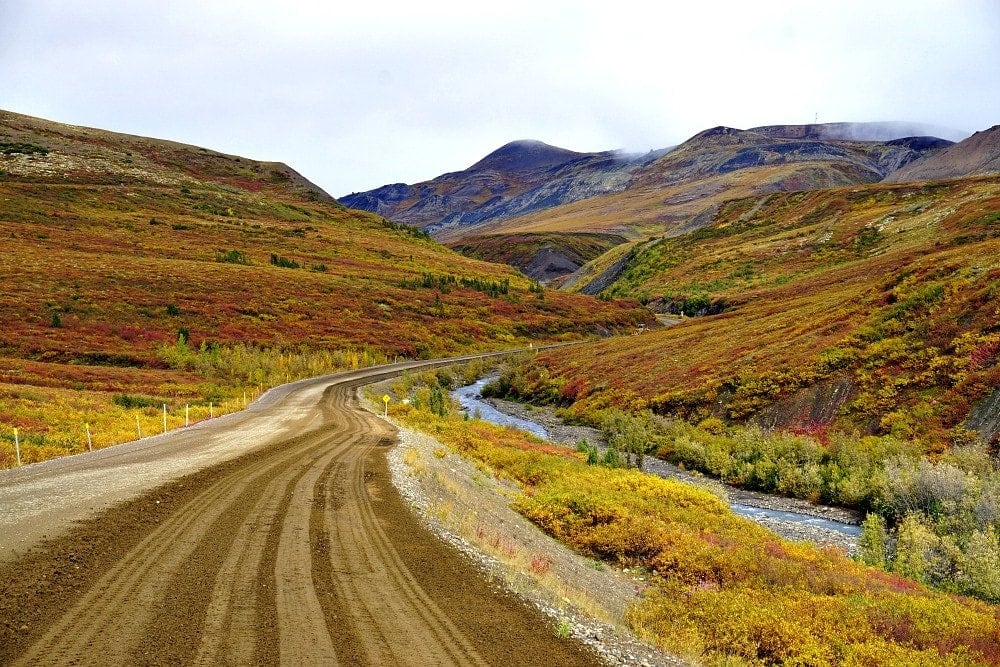
For those seeking a true northern adventure, driving to Inuvik via the Dempster Highway (Highway 8) is an experience unlike any other. This 737-kilometer (458-mile) gravel road stretches from Dawson City, Yukon, to Inuvik, winding through vast Arctic wilderness, mountain ranges, and river valleys. The journey takes approximately 12 to 15 hours, but road conditions and weather can significantly impact travel times.
The drive itself is part of the experience. Along the way, travelers will cross the Arctic Circle, an iconic milestone marked by a roadside sign perfect for a photo stop. Wildlife sightings are common, with caribou, moose, grizzly bears, and Arctic foxes roaming the open landscapes. The highway is known for its remoteness, so planning is essential—gas stations and services are limited, and carrying emergency supplies, extra fuel, and a spare tire is strongly recommended.
Once in Inuvik, travelers can continue their journey north on the Inuvik-Tuktoyaktuk Highway (Highway 10), the first all-season road to the Arctic Ocean. This 138-kilometer (86-mile) route connects Inuvik to Tuktoyaktuk, an Inuvialuit community on the Arctic coastline. Before the highway’s completion in 2017, the only way to reach Tuktoyaktuk was by boat in the summer or ice road in the winter.
Driving this highway is a rare opportunity to see the Arctic tundra in its raw, untouched beauty. The landscape is dotted with pingos, unique permafrost-formed hills that rise dramatically from the flat tundra. Upon reaching Tuktoyaktuk, visitors can dip their hands (or brave a full plunge) into the Arctic Ocean, a bucket-list experience for many travelers. The community offers a glimpse into Inuvialuit culture, with local guides providing insights into the region’s history, traditional fishing practices, and life in the Far North.
During the winter months, a truly unique transportation method opens up in the Arctic—seasonal ice roads. These frozen highways, formed over rivers and lakes, connect Inuvik to remote communities that are otherwise inaccessible by land. One of the most well-known routes is the Inuvik to Aklavik Ice Road, which runs across the frozen Mackenzie Delta.
Ice roads are an essential part of life in the Arctic, allowing for the transport of supplies and providing access to communities that rely on these seasonal connections. For travelers, driving on an ice road is an unforgettable experience, offering a rare perspective on the frozen landscapes of the North. However, conditions can change rapidly, and these roads are typically open only from December to April, depending on ice thickness and weather conditions.
Once in Inuvik, getting around town is relatively simple. The town is compact, making it easy to explore on foot, but for those who need transportation, taxis and car rentals are available.
Inuvik does not have a public bus system, but taxis provide reliable service within town and to the airport. Visitors can easily arrange a ride by calling a local taxi company, and fares are reasonable given the town’s small size. Taxis are the most common way to get around, especially in winter when extreme cold can make walking long distances uncomfortable.
For those planning to explore beyond Inuvik, renting a vehicle is a great option. Several local businesses offer car rentals, including Inuvik Capital Suites Car Rentals and Arctic Chalet Car Rentals. Having a car allows visitors to venture out to scenic spots along the highways, drive up to Tuktoyaktuk, or explore the surrounding tundra.
Driving in the Arctic comes with its own set of challenges. Gravel roads, limited cell service, and extreme weather conditions make it essential to be well-prepared. Travelers should always carry emergency supplies, check weather conditions before setting out, and ensure their vehicle is equipped for subzero temperatures if visiting in winter.
In the warmer months, cycling and walking are pleasant ways to explore the town. The Midnight Sun provides daylight around the clock, making outdoor activities possible at any time of day or night. In winter, walking is still possible but requires warm clothing and proper footwear due to icy conditions and extreme cold.
Visiting Inuvik requires a little extra planning, but the reward is an unforgettable Arctic adventure. Travelers should consider the best time of year for their trip—summer offers easier road access and 24-hour daylight, while winter provides the stunning Northern Lights and the chance to experience ice roads.
Weather conditions can change quickly, so dressing appropriately and preparing for potential delays is always a good idea. Travel insurance is recommended, especially for those planning long road trips or remote travel.
Getting to Inuvik is an adventure in itself, whether you’re soaring over the Arctic landscape by plane, navigating the legendary Dempster Highway, or driving across the frozen rivers of the Mackenzie Delta. Once here, exploring the town and beyond is made easy with taxis, rental vehicles, and scenic road trips that take you deep into the Arctic wilderness. Whether you're standing on the shores of the Arctic Ocean, crossing the Arctic Circle, or traveling an ice road for the first time, every journey to and within Inuvik is an unforgettable experience.