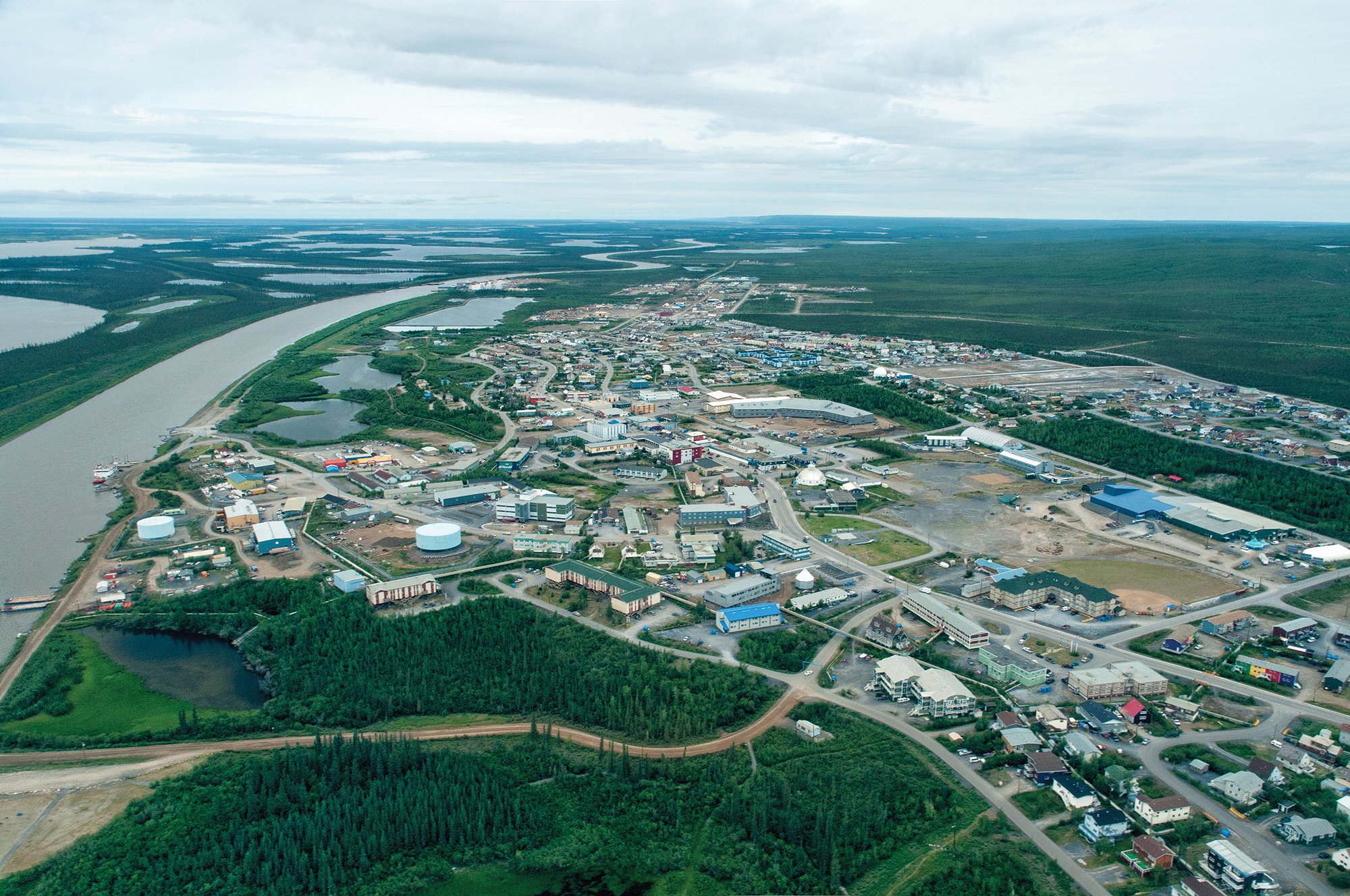
Finding housing in Inuvik is a little different than in most places in Canada. This is a northern town built on permafrost, shaped by big seasonal swings, and supported by a mix of long-term residents and people who arrive for work in government, health care, education, construction, and other regional services. The result is a housing market that can feel tight at times, with fewer listings, quicker turnarounds, and practical details—like heating, insulation, and maintenance—playing a bigger role in day-to-day decisions.
Whether you’re planning to buy, rent, or build, the best approach is to think in terms of comfort, durability, and total monthly costs. Inuvik homes are designed for the North, and understanding a few local realities will help you make smarter choices and avoid surprises.
Homes here are built to handle cold, wind, and shifting ground conditions. Many buildings are raised above the ground to protect the permafrost and improve long-term stability. The most noticeable differences often come down to how a home is supported and how well it holds heat during winter.
Home buying in Inuvik tends to be less about chasing trends and more about finding a solid, well-built place that fits your lifestyle and budget. Inventory can be limited, so good properties may move quickly when demand is high. Prices are often lower than in major Canadian cities, but ownership costs can rise with Arctic maintenance needs and utility expenses.
Renting is common in Inuvik, especially for people arriving for work or shorter contracts. Rentals range from apartments and townhouses to detached homes, and you’ll find both furnished and unfurnished options depending on the landlord and the intended length of stay. In some cases, rent may include heat and utilities, which can make it easier to budget through the winter.
Inuvik also has housing supports for eligible residents, including public and subsidized housing options and programs that may help with homeownership, repairs, or energy efficiency. Program names and eligibility requirements can change over time, so it’s best to confirm current options directly with the appropriate territorial housing services.
Construction in Inuvik comes with its own realities: permafrost engineering, short building seasons, and higher costs for materials and specialized labour. While Inuvik has year-round road access, shipping logistics and northern supply chains can still affect timelines and pricing—especially for larger materials or specialized items. Many builders focus on durability and efficiency first, with designs that prioritize warmth, ventilation, and long-term resilience.
While purchase prices can be more approachable than in many southern markets, day-to-day costs in Inuvik can be higher due to transportation and northern operating expenses. Heating and utilities are often the biggest housing-related factor, followed by groceries and general supplies. Many residents balance this with employment opportunities and northern wage structures, depending on their role and employer.
Inuvik is a place where housing decisions are closely tied to comfort, reliability, and seasonal reality. With the right expectations—and a focus on quality construction and efficient living—you can find a home or rental that supports a great life in the Western Arctic.