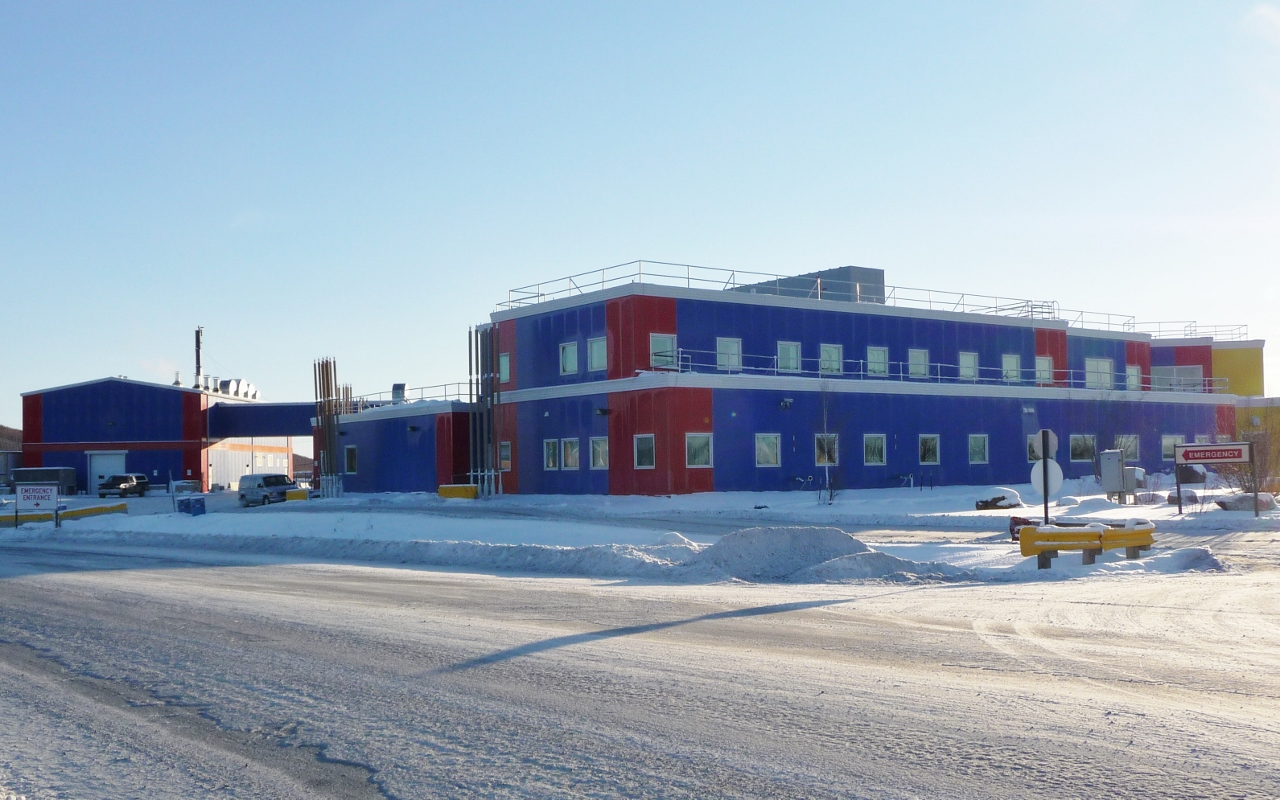
Inuvik is a regional hub, and health services here support both residents and people travelling in from surrounding communities. Day-to-day care may include primary health services, urgent care, visiting clinics, and regional programs that focus on community wellness. Because northern travel and weather can affect scheduling, some services may operate with rotating staff or visiting specialists depending on the season.
If you are new to town, it helps to plan ahead for routine needs such as prescription refills, check-ups, and any ongoing care. If you’re visiting, it’s still worth knowing where to go if something comes up, especially during busy event weekends or winter travel season.
For medical emergencies, the local health facility is the first point of care in town. After-hours procedures and service levels can vary, so it’s a good idea to confirm current instructions once you arrive. If you have a complex medical situation, consider travelling with a written list of medications and key medical information, especially during winter.
Health in Inuvik is also supported by wellness programs and community services that focus on mental health, family support, youth programming, and culturally grounded approaches to wellbeing. Depending on availability, you may find counselling supports, outreach services, group programming, and community-led initiatives that encourage connection and healthy routines.
Many residents also build wellness into daily life through time on the land, seasonal activities, and community gatherings. In a northern climate, staying well often means balancing movement, rest, social connection, and practical preparation for the season.
Access to prescriptions and pharmacy services is an important part of staying healthy in the North. If you’re moving to Inuvik or visiting for an extended stay, consider arranging refills early and planning for weather-related delays that can affect travel or deliveries.
Inuvik makes it possible to stay active in every season, even when weather limits outdoor time. Many people rely on a mix of indoor recreation and seasonal outdoor activities, from winter walking and skiing to summer trail time and paddling. Building movement into your routine can also make the seasonal transitions easier, especially during the darker winter months.
A little planning goes a long way in the Arctic. These practical steps can help you stay comfortable and prepared.