Technology
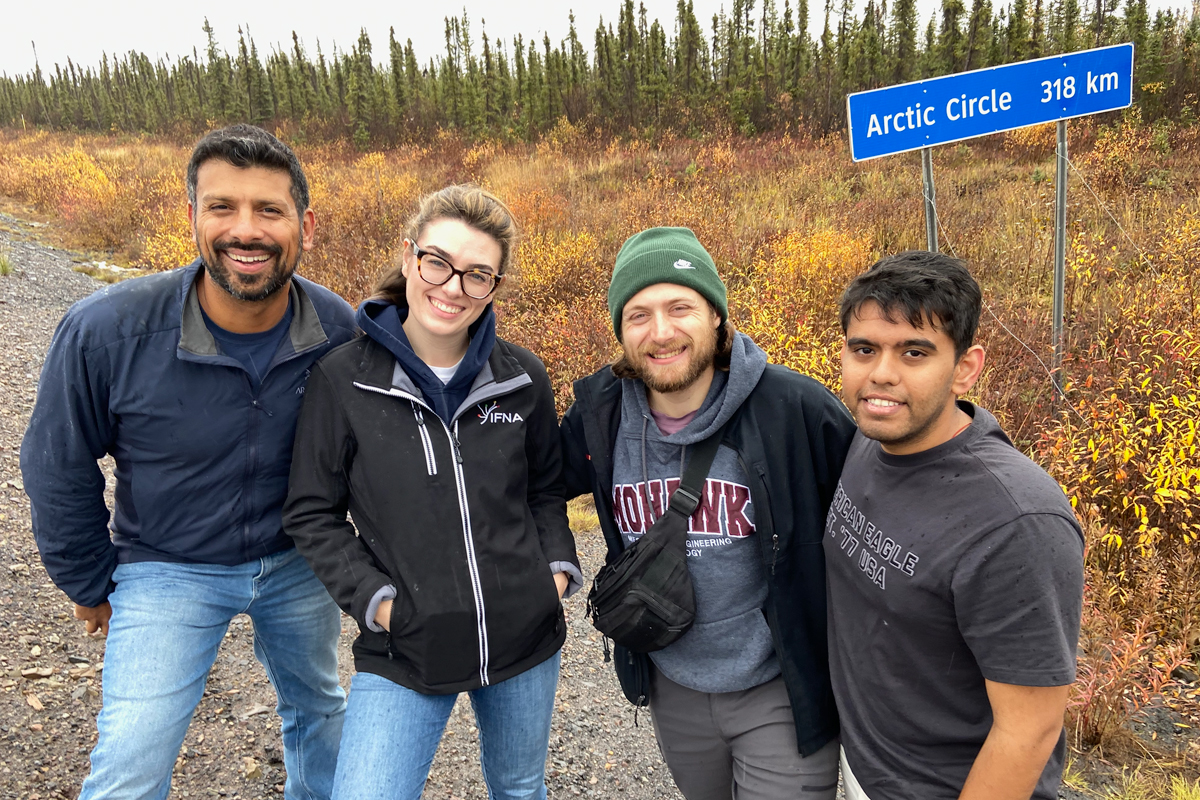
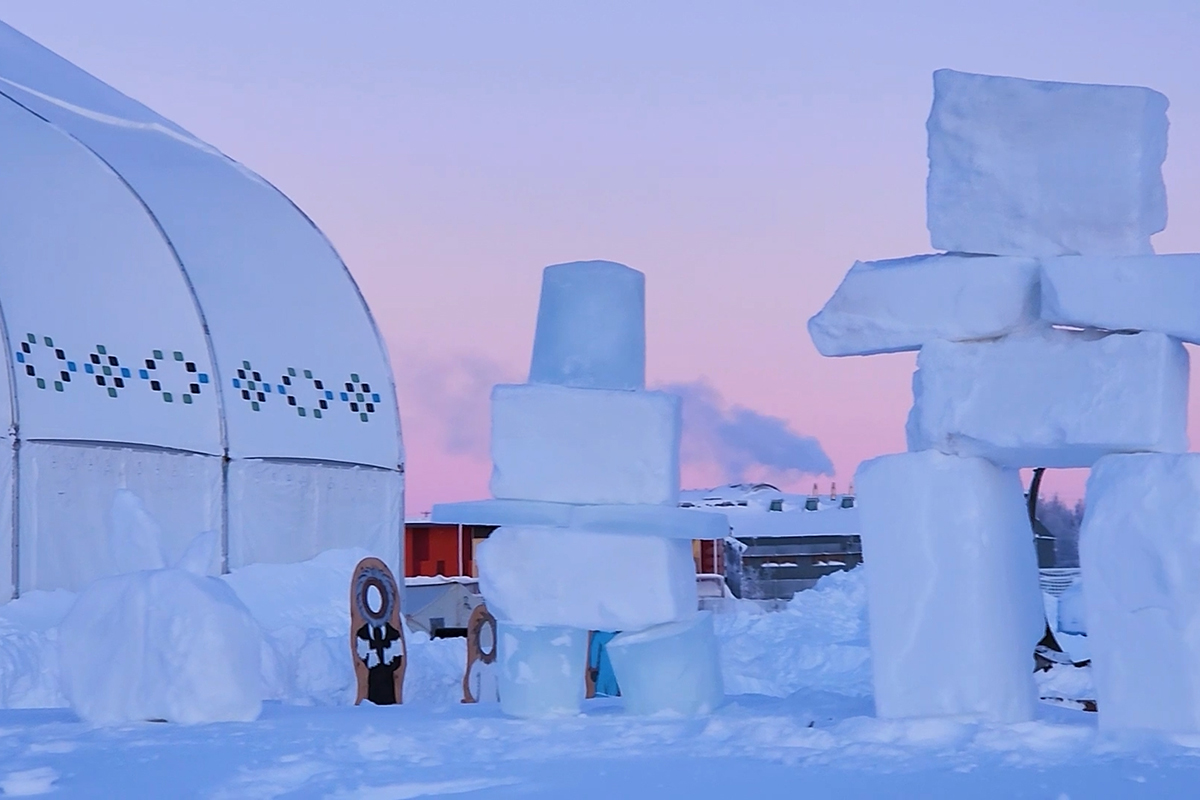
INUVIK, N.W.T. — Researchers from Mohawk College IDEAWorks, an applied research and innovation division based in Hamilton, Ontario, recently visited Inuvik, Northwest Territories, for a multi-day knowledge-sharing mission focused on cold-climate technology, sustainable energy, and community-driven agriculture. The trip connected southern researchers with northern leaders and innovators to explore how communities in the Arctic are developing practical solutions for harsh climates.
IDEAWorks is known for helping businesses, governments, and community organizations bring research to life through real-world applications. Its team of engineers, scientists, and students works on projects that range from renewable power systems to advanced manufacturing and digital innovation. The Inuvik visit was part of a national effort to exchange expertise between regions facing similar energy and climate challenges.
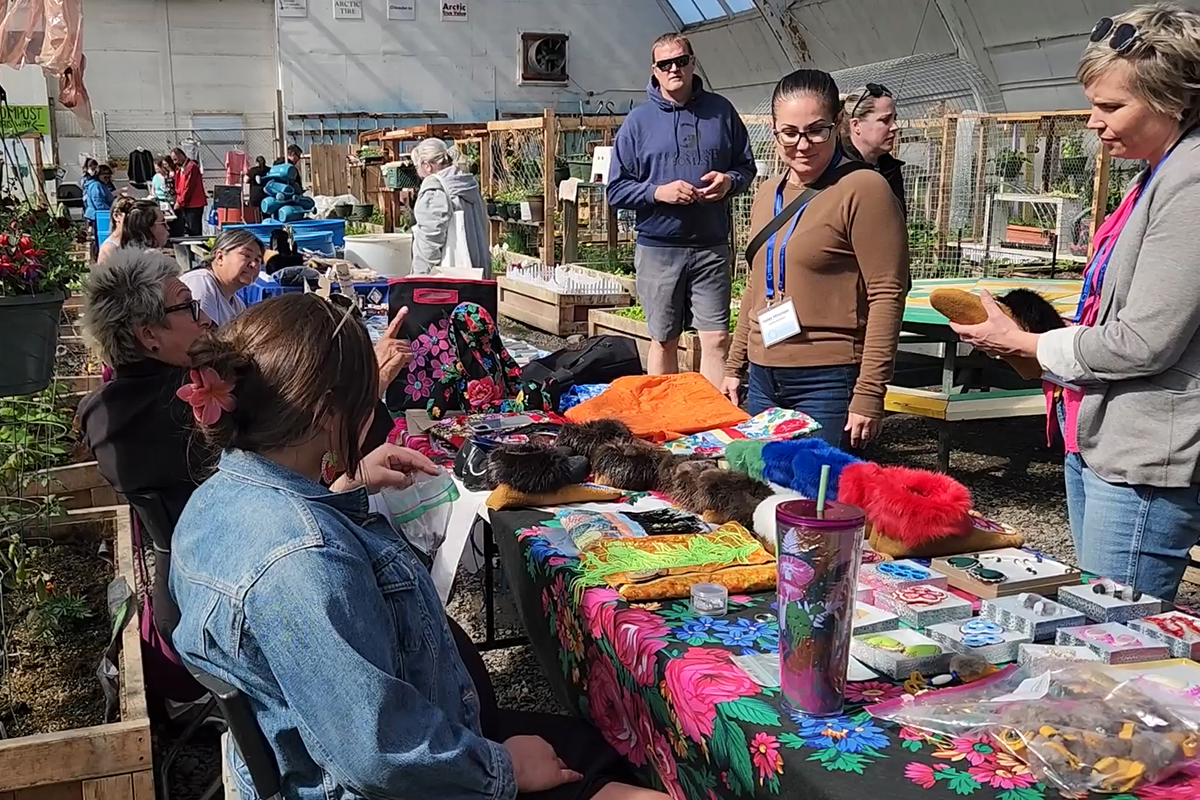
During their stay, the team met with Mayor Peter Clarkson and toured the Inuvik Community Greenhouse — one of the world’s northernmost community greenhouses. Built inside a converted hockey arena, the greenhouse provides a space where residents can grow fresh produce during the short Arctic summer. It also serves as a hub for education, volunteerism, and food security programs that help strengthen local self-reliance. The delegation learned about its design, heating systems, and operations, which have inspired cold-climate agriculture models across Canada.
“The Inuvik Community Greenhouse demonstrates how practical innovation and community collaboration can overcome even the toughest environmental challenges,” said one IDEAWorks researcher. “We’re taking home lessons that can directly inform our own projects in northern Ontario.”
Back in Ontario, Mohawk College’s Energy and Power Innovation Centre (EPIC) is collaborating with northern partners to advance renewable energy and food security initiatives. One key partner is the Independent First Nations Alliance (IFNA), a First Nations–led Tribal Council that provides customized technical and administrative support to five member communities across northwestern Ontario. Together, they are exploring cold-weather greenhouse construction, hybrid energy systems, and low-carbon readiness — all informed by lessons learned in Inuvik.
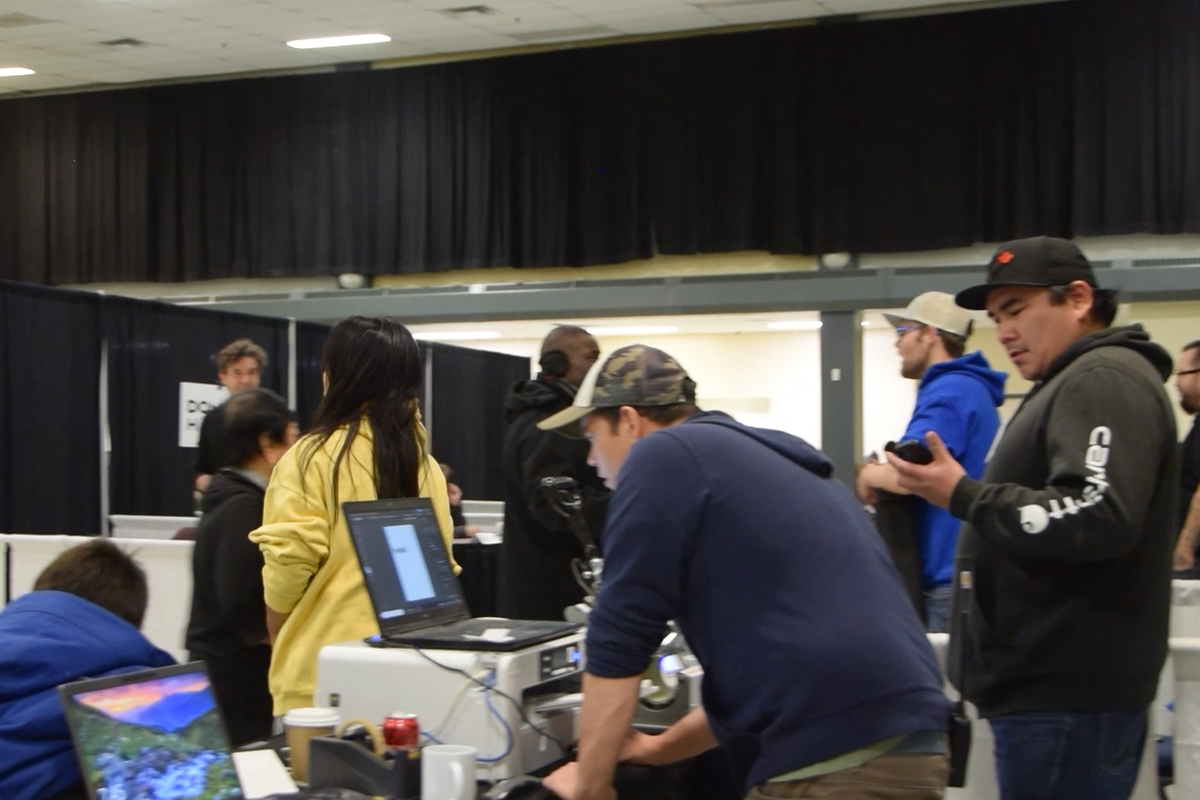
The delegation also met with representatives from EdgeAI Labs, a technology start-up developing advanced monitoring and data systems for harsh northern environments. The project, supported by Canada’s Industrial Research Assistance Program (IRAP) and Inuvik Web Services, focuses on creating resilient networking and sensor solutions that can withstand extreme temperatures, ice buildup, and limited connectivity. These systems are designed to support smart energy management, environmental monitoring, and greenhouse control — even during power outages or severe weather.
“Collaborating with northern communities like Inuvik gives us valuable insight into how innovation thrives in extreme conditions,” said Dr. Mariano Arriaga, General Manager of EPIC. “By sharing knowledge between regions, we can co-develop sustainable, adaptable technologies that empower communities facing similar climate challenges.”
In addition to site visits and technology discussions, the trip included informal exchanges with local organizations and residents about the broader importance of community-based innovation in remote areas. The IDEAWorks team noted that Inuvik’s leadership in renewable energy, waste reduction, and sustainable infrastructure offers a model that can inspire projects across Canada’s North and beyond.
“We don’t just want to study how northern communities operate — we want to collaborate, learn, and grow together,” one team member said. “Inuvik’s combination of technical expertise and local knowledge is exactly what’s needed to address climate resilience at a community level.”
The visit marked the beginning of what both sides hope will become a long-term partnership between Mohawk College, Inuvik-based organizations, and First Nations communities across the North. Future projects may include joint research on greenhouse automation, renewable microgrids, and data-driven sustainability models built to serve cold, remote regions.
By connecting academic research with lived northern experience, the exchange reaffirmed that innovation doesn’t just happen in laboratories — it happens in communities that are willing to work together to find local solutions for global challenges.

Business Growth and Economic Development
The Western Arctic Business Association (WABA) supports business growth in the Canadian Western Arctic. WABA connects local businesses, governments, and stakeholders to promote economic development, providing resources and advocacy to help members thrive in this unique region.