Travel
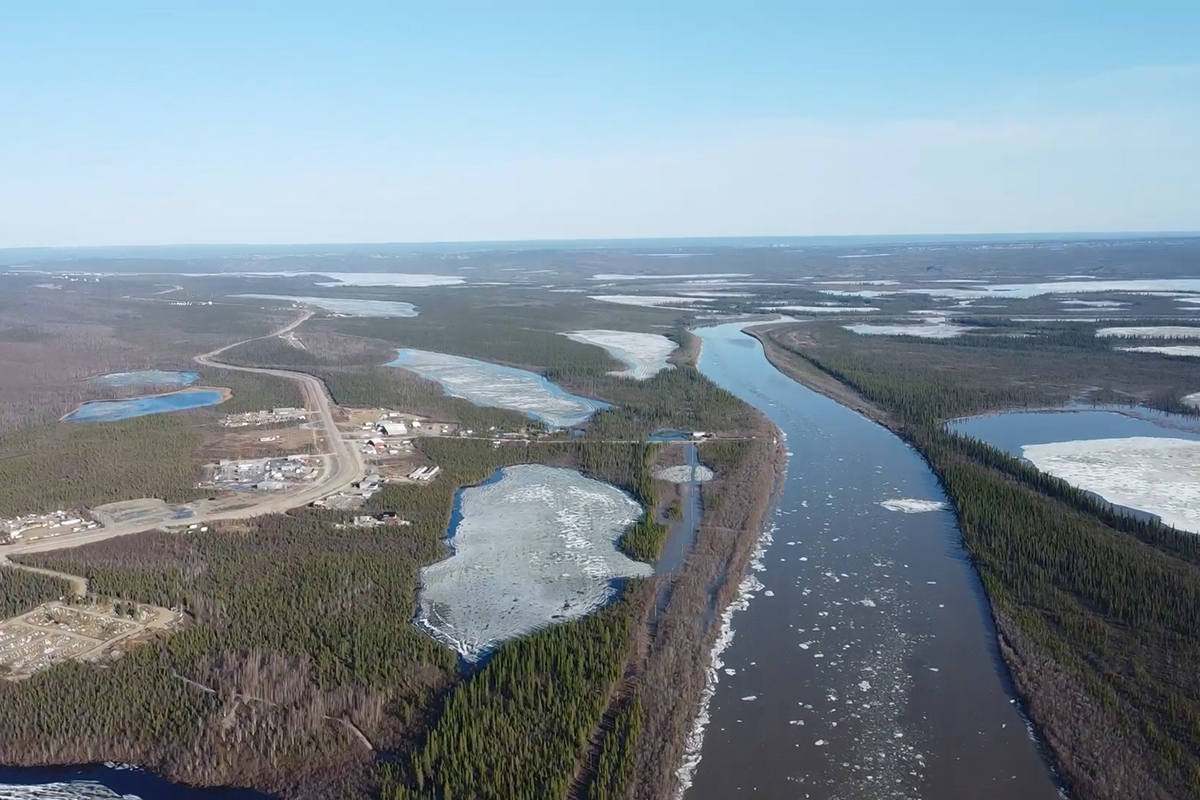
Reaching Inuvik is part of the adventure. As you head north, the boreal forest gives way to open tundra, the sky seems bigger by the mile, and the Mackenzie Delta spreads into a maze of water and low islands. Whether you arrive by road, by air, or along the river, the journey sets the tone for everything that follows in the Western Arctic.
The Dempster Highway is an all-season gravel road that begins near Dawson City in the Yukon and runs through mountain passes, alpine plateaus, and wide valleys before meeting the Mackenzie Delta. The surface can change from hard-packed to loose in a matter of kilometres, and weather can swing from blue skies to sudden wind and rain, so the pace naturally slows and the trip becomes about watching the land shift around you. Long stretches pass without services, and the road’s remoteness makes every fuel stop and roadside view feel significant. It is a route that rewards unhurried driving, steady habits, and attention to the way light moves across the tundra.
As you approach the Northwest Territories, the highway drops toward river country and the landscape opens. In summer, ferries carry vehicles across the big rivers; in deep winter, temporary ice crossings take their place. During spring break-up and autumn freeze-up, there can be brief closures while water transitions between seasons. Planning around those windows keeps the trip smooth, but many travellers find that the unpredictability is part of the Dempster’s character and charm.
From Inuvik, the Inuvik–Tuktoyaktuk Highway runs 138 kilometres to the Arctic Ocean. The road rolls over permafrost-rich terrain and passes low lakes, pingos, and expansive views where sky and ground meet in a thin line. Drivers often pause to take in the quiet or watch for wildlife. Gravel conditions can vary here too, and the wind off the ocean can make the final approach feel elemental. The reward is reaching Tuktoyaktuk and standing on the edge of the Arctic, a moment that ties the whole drive together.
The Inuvik (Mike Zubko) Airport links the town to regional hubs and southern connections, making air travel the fastest way in. Flights typically route through Yellowknife or other northern centres, with regional carriers connecting nearby communities across the Beaufort Delta. On clear days, the descent into YEV offers a first look at the delta’s braided channels, the pale roads threading through the land, and the roofs of town set against the river. Winter operations are robust, but schedules still respond to Arctic weather, so building in a little buffer time keeps itineraries relaxed and stress-free.
Arriving by air also changes the rhythm of the trip. With the town just a short drive from the airport, you can move from runway to riverbank quickly, pick up supplies, and settle into your plans for the days ahead. For visitors on tight timelines or in winter’s deepest cold, flying can turn a long approach into a comfortable hop while still delivering that unmistakable Arctic sense of scale from the window seat.
When the Mackenzie is open, the river becomes an artery for people and freight. Barges push north with building materials, groceries, and fuel, and locals travel the channels by boat to visit family, check nets, or spend days out on the land. The trip between Inuvik and Aklavik can pass in a couple of hours when water and weather cooperate, and the route threads through quiet backwaters and wide reaches where the sky reflects in the river like a second horizon. Those who come by water often describe the approach as a gradual unfolding, from one bend to the next, until the town appears ahead on a slight rise above the channel.
River travel is shaped by season and conditions. Water levels, wind, and shifting sandbars can all influence timing and route choice, and local knowledge is invaluable. In late summer, when the midnight sun softens into long evenings, the delta can feel timeless, with the boat’s wake the only disturbance on still water.
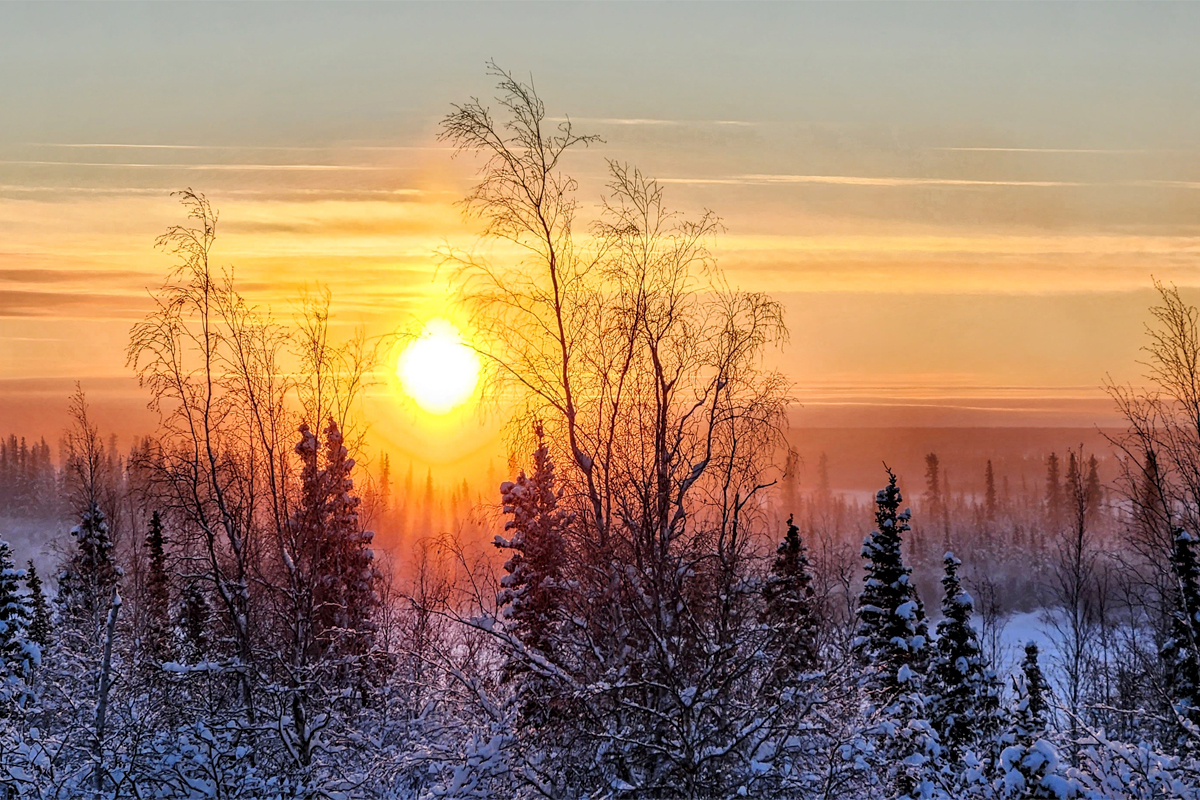
Season defines travel here. Under the midnight sun from late spring into midsummer, the day barely ends, and it is possible to drive, land, or launch at almost any hour. The light flattens the shadows, colours saturate, and time stretches in a way that suits slow journeys and long conversations. As autumn arrives, the tundra turns red and gold and the first frosts stiffen the ground. Winter draws down into a deep blue calm, and the aurora arcs overhead while vehicles idle in the cold and snow squeaks underfoot. In shoulder seasons, the region pivots between water and ice, and schedules sometimes pivot with it.
Whatever month you choose, travelling with northern pace in mind makes everything easier. Give yourself time for weather, expect the road to ask for patience, and let daylight—or darkness—shape your days. The reward is a trip that feels in step with the place you’ve come to visit.
Good planning turns a memorable journey into a comfortable one. On the road, vehicles in solid mechanical shape and spare tires suited to gravel help transform challenges into simple pauses. Fuel and services are widely spaced, so topping up becomes part of the routine rather than a scramble. In the air, checking connections and leaving a cushion between flights protects the itinerary from weather-related delays. On the river, asking about current levels and preferred channels ensures a smooth approach to town.
Accommodation and vehicle bookings are busiest in midsummer and during major events, so reserving ahead keeps options open. Respect for local communities and the land—observing posted guidance, packing out waste, and giving wildlife space—fits naturally with the slower rhythms of travel here. However you arrive, Inuvik has a way of turning the journey itself into your first favourite memory of the North.

Web and Digital Media for Arctic Enterprises
Big North Media merges creativity with technology to redefine the digital landscape of the Canadian Western Arctic. We specialize in bringing digital dreams to life, offering a suite of services from engaging web design to dynamic event management. Our approach is rooted in the belief that every project is an opportunity to innovate, inspire, and drive meaningful change. With a focus on elevating local voices & expanding global horizons, we empower our clients to make a lasting impact in their communities and beyond.
September 09, 2025

September 09, 2025